Can You Get Non-Owner SR22 Insurance in Texas If Someone in Your Household Owns a Car?
Yes, you can obtain non-owner SR22 insurance in Texas if someone in your household owns a car, but approval depends on your access to that vehicle and your carrier's guidelines. Many drivers working toward license reinstatement ask: Can You Get Non-Owner SR22 Insurance in Texas If Someone in Your Household Owns a Car? While insurance companies carefully scrutinize household vehicle access, you can generally qualify if you sign an excluded driver endorsement on the vehicle owner's policy or prove you do not have permission or regular access to operate that automobile.
Restoring driving privileges after a suspension or traffic violation in Texas requires meeting strict financial responsibility requirements. The Texas Department of Public Safety (DPS) uses the SR22 certificate to confirm that high-risk drivers maintain continuous liability insurance. However, when you live in a shared residence where an automobile is parked in the driveway, insurance companies must manage their potential risk exposure before issuing a non-owner policy.
Understanding how Texas insurance carriers evaluate household vehicle ownership will help you select the right policy, avoid claim denials, and maintain full legal compliance with state authorities.
Understanding Non-Owner SR22 Insurance in Texas

A non-owner SR22 insurance policy is a specialized secondary liability coverage designed specifically for individuals who do not title or register a vehicle in their name. The policy provides basic liability coverage whenever you drive a borrowed or rented automobile. Attached to this policy is the SR22 certificate, an official financial responsibility document submitted directly to the Texas DPS.
In Texas, standard auto insurance follows the vehicle, whereas non-owner insurance follows the driver. If you borrow an automobile from an acquaintance with their permission, their primary insurance policy covers damages first in an accident. Your non-owner policy serves as secondary coverage if damages exceed the vehicle owner's policy limits.
Navigating state filing requirements can feel overwhelming, but exploring specialized coverage through the Texas non-owner SR22 insurance page allows drivers to analyze available plans tailored to non-owner drivers needing state compliance.
The Regular Access Rule and Household Vehicle Restrictions

Insurance carriers establish non-owner policies under the assumption that the insured driver operates vehicles only occasionally. When you live in the same house as a vehicle owner, insurance underwriters assume you have regular access to that automobile. This scenario increases risk for the insurer, as frequent driving elevates the statistical likelihood of an accident.
Carriers typically enforce strict guidelines regarding household vehicles because:
Household members frequently share vehicle keys for daily errands or emergencies.
Unlisted household drivers represent uncalculated risk for primary vehicle insurers.
Non-owner policies carry lower premiums because they assume limited time behind the wheel.
If an insurer discovers that a policyholder living with a vehicle owner routinely drives that household car without proper policy listing, they may deny coverage following an accident or cancel the policy altogether.
Can You Get Non-Owner SR22 Insurance in Texas If Someone in Your Household Owns a Car?

Asking Can You Get Non-Owner SR22 Insurance in Texas If Someone in Your Household Owns a Car? is a common scenario for individuals who live with family members, partners, or roommates. Under Texas insurance regulations, a non-owner policy is designed specifically for drivers who do not own a vehicle and do not have routine access to an automobile within their primary residence. However, insurers offer specific paths forward depending on who owns the vehicle in your home.
Scenario 1: Your Spouse Owns the Vehicle
When dealing with a spouse owns car SR22 Texas situation, insurance underwriters strictly review household access. Because married couples typically share financial assets and household vehicles, insurance companies generally expect both spouses to be listed on the primary auto policy. To secure a non-owner policy while living with a spouse who owns a car, you will likely need to be listed as an excluded driver on your spouse's primary vehicle insurance.
Scenario 2: Your Parents Own the Vehicle
In a parent owns car non-owner insurance arrangement, adult children residing with parents must clarify their driving status. If you reside with parents who own vehicles, you must confirm to the insurer that you do not drive those vehicles. The insurance company may require your parents to file an endorsement excluding you from their policy before approving your non-owner coverage.
Scenario 3: A Roommate Owns the Vehicle
Handling a household vehicle non-owner SR22 Texas policy with non-related roommates is often easier to resolve. Insurance companies still ask about all licensed drivers residing at the address, but signing a statement of non-access or non-driver status for your roommate's car usually satisfies underwriting standards.
By requesting a tailored rate through the SR22 Savings online quote engine, you can review non-owner options that fit your exact living situation without paying for unneeded primary auto coverage.
Available Solutions When Living with a Vehicle Owner
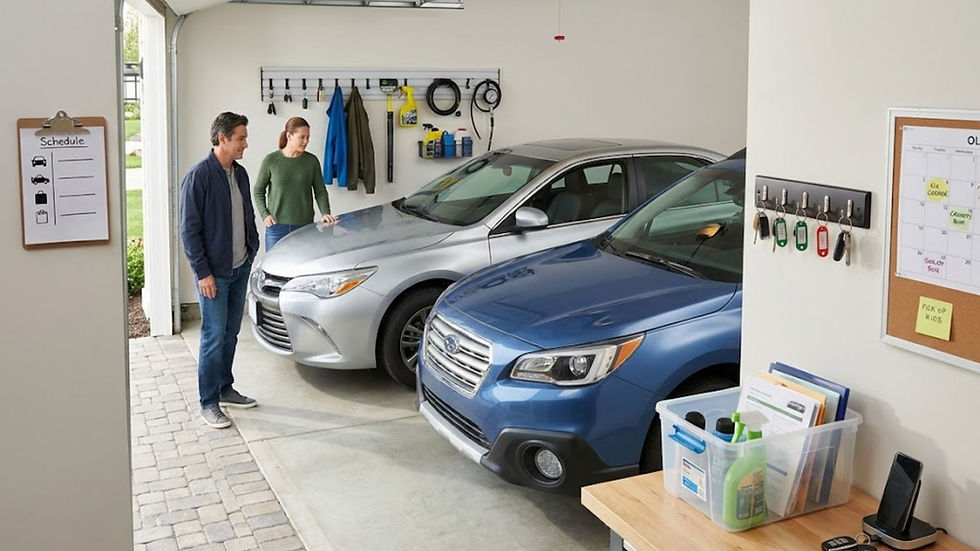
If you reside in a household with an automobile owner but need an SR22 filing to reinstate your license, you have three primary options to remain compliant with Texas law.
Solution A: Excluded Driver Endorsement with a Standalone Non-Owner Policy
An excluded driver endorsement is a legal document signed by the vehicle owner stating that a specific person is strictly forbidden from driving their insured vehicle. If you reside in the household, the car owner adds an exclusion form to their policy regarding you. Once excluded, you can legally purchase a standalone non-owner policy with an SR22 filing.
Solution B: Adding Yourself as a Named Driver on the Household Policy
Instead of purchasing a separate non-owner policy, you can be added as a rated driver on the existing household auto policy. Your insurance provider can then attach an SR22 rider directly to that primary policy on your behalf. While this increases the primary policy's premium, it grants you full legal permission to drive the household car.
Solution C: Operator-Only or Broad Form Coverage
Some insurance carriers offer operator policies that cover you for driving any non-owned vehicle while recognizing household circumstances. These specialized policies often require explicit disclosure of all household residents during the application process.
Working through established providers on the SR22 Savings home page helps drivers evaluate these three solutions to determine which structure fits their household dynamic and budget.
Comparing Coverage Options for Household Drivers
Choosing the correct insurance structure depends on whether you plan to drive the household vehicle. The comparison table below highlights how each option functions under Texas state rules:
Insurance Structure | Primary Function | Household Car Access Allowed? | Best For |
Non-Owner SR22 + Exclusion | Secondary liability policy for non-owned cars | No (Explicitly excluded on household car) | Drivers who never drive the household vehicle |
Household Policy Addition + SR22 | Primary liability and physical damage coverage | Yes (Fully covered on household car) | Drivers who regularly share the household vehicle |
Broad Form / Operator Policy | Personal liability coverage following the driver | Varies by carrier guidelines | Drivers operating various non-owned vehicles |
Texas Financial Responsibility Laws and Minimum Requirements
The Texas Transportation Code Chapter 601 mandates that all drivers carry minimum liability coverage to operate motor vehicles on public roadways. An SR22 filing proves to the Texas DPS that your coverage meets or exceeds these baseline requirements.
The minimum mandatory liability limits in Texas, commonly referenced as 30/60/25 coverage, include:
$30,000 for bodily injury or death of one person in a single accident.
$60,000 total for bodily injury or death of two or more persons in a single accident.
$25,000 for property damage per single accident.
Maintaining continuous coverage without any gaps is critical during your required filing term, which typically lasts two to three years in Texas. If your non-owner policy lapses or cancels, your insurance carrier is legally obligated to file Form SR-26 with the Texas DPS. This notification triggers an immediate re-suspension of your driver's license and resets your mandatory filing duration.
Keeping your policy active is critical, and utilizing the SR22 Savings payment portal ensures your monthly premiums are processed on time so your coverage never experiences a dangerous lapse.
How to Secure the Right SR22 Policy in Texas

Navigating the application process while living in a multi-driver home requires transparency to avoid policy cancellation. Follow these practical steps when applying for your non-owner policy:
Audit Household Vehicles: Identify all registered vehicles and licensed drivers residing at your residential address.
Determine Vehicle Access: Decide whether you will completely abstain from driving household vehicles or need permission to operate them occasionally.
Execute Exclusions If Needed: If you will not drive the household car, have the car owner contact their insurer to sign an official named driver exclusion form.
Disclose Address Details Accurately: Disclose all household members on your insurance application to ensure valid underwriting.
Request State Electronic Filing: Confirm that your insurer files the SR22 certificate electronically with the Texas DPS for rapid processing.
Reviewing real experiences shared on the SR22 Savings customer reviews page provides valuable insight into how other Texas drivers successfully reinstated their licenses while living with family members or roommates.
Frequently Asked Questions
Can I drive my spouse's car if I have a non-owner SR22 policy?
No, a non-owner SR22 policy does not cover vehicles owned by spouses or resident relatives. If you drive your spouse's vehicle, you must be listed as a covered driver on their primary auto policy rather than relying on a non-owner policy.
What happens if I drive a household vehicle and get into an accident?
If you drive a household vehicle without being listed as a covered driver on its policy, the insurance company will likely deny liability claims resulting from the crash. Furthermore, if you signed an excluded driver endorsement, the insurer has no legal obligation to pay for damages caused during that trip.
How long do I need to maintain an SR22 filing in Texas?
In most cases, the Texas DPS requires drivers to maintain an active SR22 filing for two to three years following a suspension or conviction. The exact timeline depends on the nature of the offense, such as a DUI, driving without insurance, or repeat traffic violations.
Is a non-owner SR22 policy cheaper than standard car insurance?
Yes, non-owner SR22 policies generally cost significantly less than standard auto insurance policies. Because non-owner policies cover liability only and do not include collision or comprehensive coverage for physical vehicle damage, base premiums remain relatively low.
What is an excluded driver endorsement in Texas?
An excluded driver endorsement is a formal legal agreement added to an auto policy that removes coverage for a specific named individual. If an excluded driver operates the vehicle, the insurance carrier will not cover damages or injuries caused in an accident.
Conclusion
When evaluating whether Can You Get Non-Owner SR22 Insurance in Texas If Someone in Your Household Owns a Car?, the key lies in transparently documenting your vehicle access and selecting the policy structure that aligns with Texas law. While living in a residence with an available automobile complicates the underwriting process, obtaining an excluded driver endorsement or joining a household policy with an SR22 rider guarantees full legal compliance with the Texas DPS. Taking proactive steps today ensures a smooth journey toward restoring your driving privileges safely and affordably.
Comments