What are the most common mistakes Texas drivers make when applying for non-owner SR22 insurance?
What are the most common mistakes Texas drivers make when applying for non-owner SR22 insurance? The most frequent errors involve applying for coverage while actually owning a vehicle, miscalculating the mandatory three year filing period, and allowing policy lapses that trigger an immediate license suspension. Navigating the Texas Department of Public Safety requirements demands precision to ensure your driving privileges are restored quickly and affordably.
Texas drivers often feel a sense of urgency when their license is suspended due to a DWI, multiple traffic citations, or driving without insurance. This pressure can lead to hasty decisions that result in purchasing the wrong type of policy. Understanding the nuances of the law is vital for anyone who does not own a car but needs to satisfy state financial responsibility requirements.
The non-owner SR22 certificate acts as a guarantee to the state that you carry at least the minimum liability coverage. However, many motorists treat this as a standard auto policy rather than a specialized legal filing. This distinction is where most errors begin, costing drivers time and money in the long run.
The Danger of Owning a Vehicle While Using Non-Owner Coverage
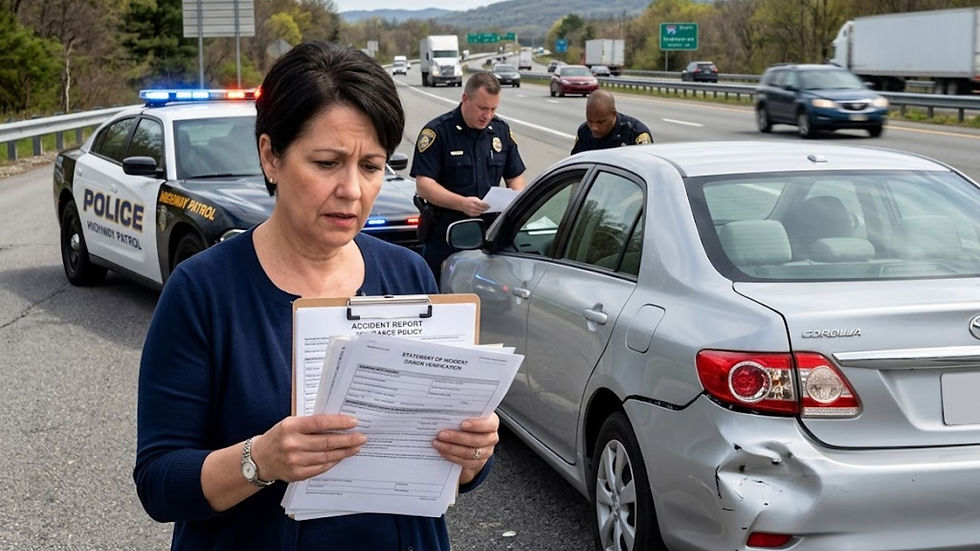
The single most impactful error is applying for a non-owner policy when you have a vehicle registered in your name. Insurance carriers and the Texas DMV cross-reference registration records during the underwriting process. If a vehicle is found in your name, the non-owner policy is considered invalid and can be canceled immediately.
Drivers must also consider vehicles that may be in their household. If you have regular access to a car owned by a spouse or roommate, a standard non-owner policy might not provide the protection you need. It is essential to research Texas non-owner SR22 insurance options to ensure your living situation aligns with the policy restrictions.
Misrepresenting your ownership status can lead to denied claims if an accident occurs. Insurance companies are very strict about these definitions because non-owner policies are priced based on the lower risk of a driver who does not have constant access to a vehicle. Accuracy during the application phase prevents these legal headaches later.
Critical Guidance on What Are the Most Common Mistakes Texas Drivers Make When Applying for Non-Owner SR22 Insurance?

Understanding what are the most common mistakes Texas drivers make when applying for non-owner SR22 insurance? is the first step toward a successful license reinstatement. Many drivers fail because they do not realize that the SR22 is not the insurance itself, but a certificate attached to the policy. This certificate must be electronically filed with the state to be effective.
Another major hurdle is the confusion between liability limits and comprehensive protection. A non-owner policy only covers damage you cause to others, not the car you are driving. Many motorists mistakenly believe they are protected against theft or personal injury, which is never the case with a basic non-owner filing.
To avoid these issues, getting a free online quote allows you to see the exact coverage levels and costs before committing. This transparency helps you plan your budget for the multi-year commitment required by the state. Preparation is the key to avoiding the administrative traps that many fall into.
The Impact of Policy Lapses and the SR-26 Filing
Texas law requires continuous coverage for the duration of your suspension period, which is typically two years. If you miss a single payment, your insurance company is legally required to notify the state via an SR-26 form. This notification results in an immediate suspension of your license, often without warning.
When a lapse occurs, the clock on your mandatory filing period often resets. This means you may have to start your two year requirement over from the beginning. Ensuring timely insurance payments is the only way to prevent this costly setback and keep your driving record on the path to recovery.
Automatic payments are highly recommended for SR22 holders. Since the stakes are so high, relying on manual monthly payments can be risky. One forgotten email or misplaced bill can lead to months of extra legal requirements and additional filing fees.
Comparing Coverage Requirements in Texas
Feature | Non-Owner SR22 | Owner-Based SR22 |
Vehicle Ownership | Prohibited | Required |
Primary Liability | Yes ($30k/$60k/$25k) | Yes ($30k/$60k/$25k) |
Physical Damage Coverage | Not Available | Optional (Full Coverage) |
Cost Basis | Driver Profile Only | Driver + Vehicle Risk |
Primary Usage | Borrowed Vehicles Only | Owned/Registered Vehicles |
Inaccurate Personal Data and Administrative Delays
Small errors on your application can lead to massive delays in processing. If your name, birthdate, or driver license number does not match the DPS records exactly, the electronic filing will be rejected. Many drivers use nicknames or shortened versions of their names, which causes a mismatch in the state system.
You should also be aware of specific demographic requirements. For instance, finding non-owner coverage for seniors may involve different underwriting questions regarding medical history or driving frequency. Providing thorough and honest information from the start is the best way to ensure your filing is accepted the first time.
The SR22 Savings website provides resources to help you verify the details needed for a clean application. By taking an extra five minutes to double check your state issued ID against your application, you can save weeks of waiting for a manual correction from the state.
Common Misconceptions About Borrowing Vehicles

A common mistake is assuming that a non-owner policy allows you to drive any vehicle at any time. In reality, these policies are intended for occasional use of borrowed cars from people who do not live with you. If you are driving a car daily that belongs to someone in your household, you should likely be listed on their primary policy instead.
Furthermore, non-owner insurance generally does not cover commercial vehicles or rental cars. If you drive a delivery van for work or frequently rent cars for travel, your non-owner SR22 may not satisfy those specific needs. Always clarify your specific driving habits with your agent to ensure your policy is actually protecting you.
Reading verified customer reviews can provide insight into how others handled these complexities. Often, other drivers share their experiences with specific car scenarios that can help you avoid similar traps. Learning from the community is a powerful tool for maintaining compliance in Texas.
Summary of Application Pitfalls
Attempting to insure a vehicle you already own through a non-owner policy.
Failing to account for the Texas mandatory minimum liability limits of 30/60/25.
Assuming the SR22 is a one-time filing rather than a multi-year commitment.
Not updating the insurance company when moving to a new residential address.
Choosing the cheapest policy without verifying if the company files electronically with the DPS.
Frequently Asked Questions
Can I keep my non-owner SR22 if I buy a car later?
No, as soon as you purchase a vehicle, you must contact your agent to convert the policy to an owner-based SR22. Failing to do this results in a gap in coverage for your new vehicle and potential legal penalties.
How long do I actually need to keep the SR22 on file in Texas?
Most Texas drivers are required to maintain the filing for two years from the date of the suspension. However, some specific convictions may require a three year period, so always verify your status with the DPS Driver License Division.
Will my rates go down after the SR22 period ends?
Typically, yes. Once you no longer require the high-risk filing, you can transition to a standard insurance policy which usually offers lower premiums and more coverage options.
Does a non-owner policy cover me in other states?
Yes, the liability portion of your policy generally covers you while driving borrowed vehicles throughout the United States, though the SR22 filing itself is specific to your Texas license requirements.
What happens if I move out of Texas while I have an SR22?
You must still maintain your Texas SR22 filing to keep your license valid, even if you move to another state. You will likely need to find a carrier that can file out-of-state certificates to satisfy the Texas DPS.
Conclusion
Securing the right coverage is essential for regaining your freedom on the road. By understanding what are the most common mistakes Texas drivers make when applying for non-owner SR22 insurance?, you can avoid the financial and legal setbacks that affect so many others. Companies like SR22 Savings are dedicated to helping you navigate these complex requirements with ease.
Maintaining a clean record requires diligence and a commitment to continuous coverage. Whether you are dealing with a first-time suspension or a more complex legal situation, staying informed is your best defense. Take the time to apply carefully, pay your premiums on time, and always keep your contact information updated with both your insurer and the state of Texas.
Comments